Selling a Mobile Home in a Park: What Happens Next?
Selling a Mobile Home in a Park: What Happens Next?
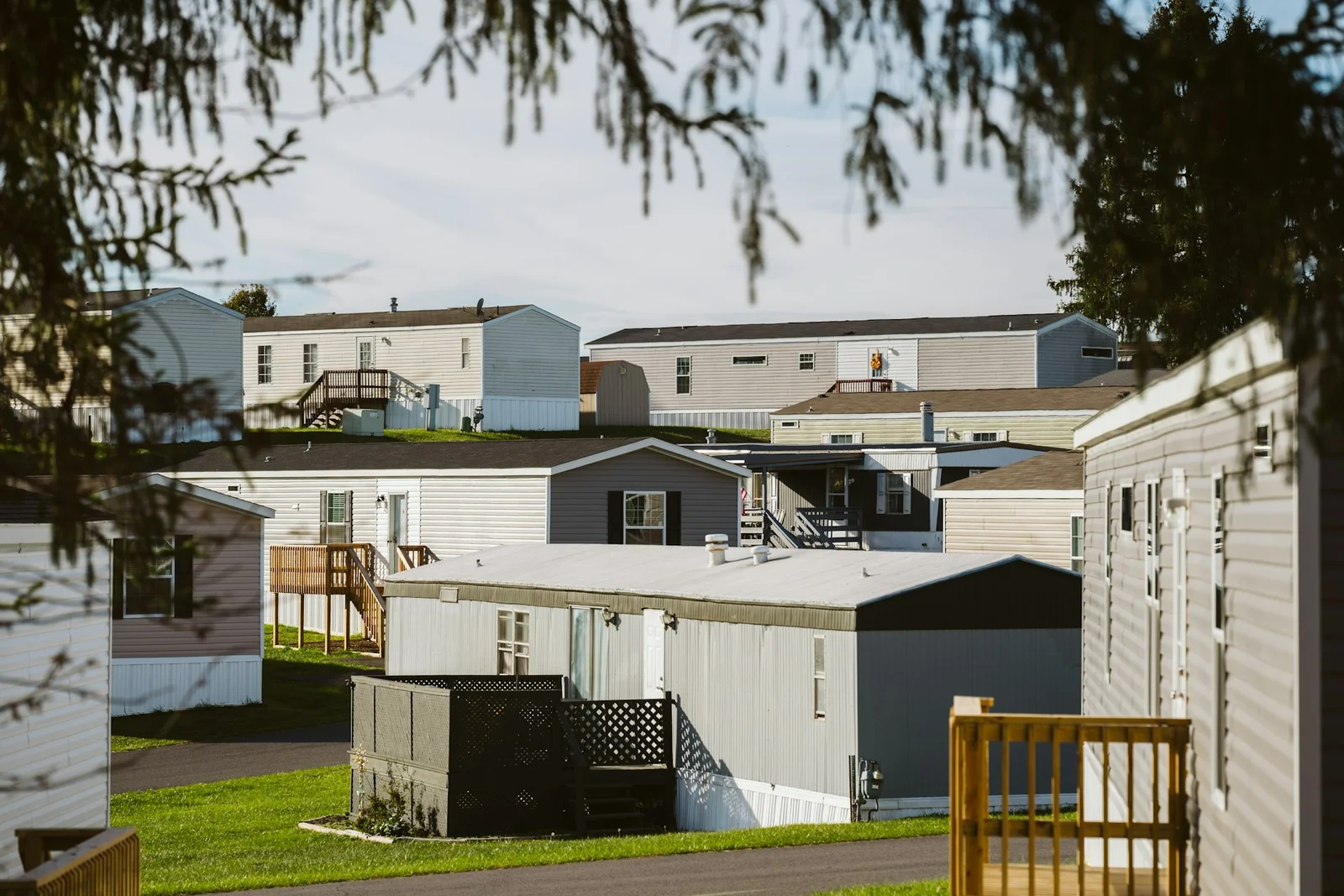
Selling a mobile home in a park usually means coordinating two separate pieces of the transaction: selling the home itself and transferring the right to rent the space beneath it. You’ll typically review the park’s rules, gather your ownership documents, find a buyer, complete any required park approval, and transfer the title once the sale closes.
It can sound like a lot, especially if you haven’t sold a mobile home before. The good news is that you don’t have to figure out every step alone. Mobile Home Team works with park residents who want a straightforward sale without spending months making repairs, scheduling showings, or sorting through uncertain offers.
Step 1: Start With the Park Office
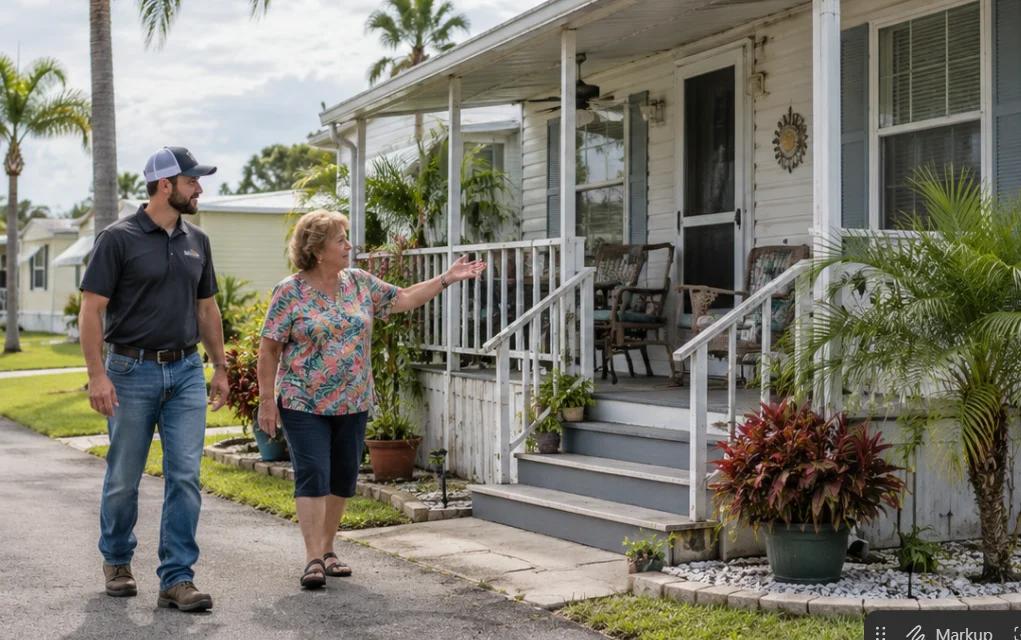
Before putting up a sign or accepting an offer, talk with the park manager.
Park communities often have their own procedures for selling a home. These may cover how the property can be advertised, whether inspections are required, what condition the exterior must be in, and how a prospective buyer applies to live in the park.
Ask for the requirements in writing so you know exactly what needs to happen. It’s much easier to deal with a missing form or maintenance issue early than to discover it a few days before closing.
Depending on your state and rental agreement, you may have the right to sell the home in place as long as it meets applicable standards. The specific rules vary, so your lease and local regulations should guide the process. For example, California law allows qualifying mobile homes to be sold in place and requires the title to be transferred to the buyer.
Step 2: Decide Whether the Home Will Stay or Be Moved
Most sellers hope to sell the home where it currently sits. That is usually the simplest option because the buyer can apply to take over the space and move into the existing community.
Sometimes, however, the home must be moved. This could happen because:
- The park won’t approve the home for an in-place sale
- The buyer wants to relocate it
- There are unresolved park rule violations
- The lot agreement is ending
- The home is being sold specifically for removal
Moving a mobile home requires planning, transportation, permits, and a destination that will accept it. Before agreeing to a removal sale, make sure the buyer clearly understands who is responsible for those arrangements and costs.
Step 3:Gather Your Title and Other Documents
In many mobile home parks, residents own the home but lease the land underneath it. This arrangement can affect how the home is titled, financed, and transferred.
The title and transfer process varies by state and may depend on whether the home sits on rented land or is classified as personal or real property. The Consumer Financial Protection Bureau explains how land ownership can affect manufactured home titling and financing.
Your paperwork may include:
- The mobile home title or ownership certificate
- Your park lease or rental agreement
- Registration records
- Tax documents
- Loan information
- Maintenance or improvement records
- Required seller disclosures
Don’t panic if you can’t immediately find everything. A missing title doesn’t necessarily prevent a sale, but replacing it can take time. Start looking for your documents early so you aren’t scrambling once you have a buyer.
The agency responsible for mobile home titles varies by state. In California, for example, the Department of Housing and Community Development handles registration, titling, title searches, and resale transfers.
Step 4: Find Out What Happens to Your Loan
You can usually sell a mobile home that still has a loan, but the remaining balance must be addressed as part of the sale.
Contact your lender and request a current payoff amount. This tells you how much must be paid to release the lender’s lien on the home. Depending on the sale price, the buyer’s payment may cover the loan balance, with the remaining proceeds going to you.
If the home is worth less than the payoff amount, you’ll need to speak with the lender about your options before moving forward.
The important thing is not to wait until closing. Knowing the payoff amount early gives you a clearer picture of what you may actually receive from the sale.
Step 5: Prepare for Buyer Approval
Selling the home does not automatically guarantee the buyer a place in the park.
In many communities, the buyer must complete a separate application with park management. The park may review income, credit, background information, household size, pets, or other factors permitted under applicable law.
This can create an awkward situation when a seller accepts an offer before the buyer has been approved. To avoid unnecessary stress, make park approval part of the sale timeline.
Let the buyer know early that they will need to work directly with management. You can provide the park’s contact information, but the buyer will generally be responsible for completing the application.
Step 6: Complete the Sale and Title Transfer
Once the price, park approval, loan payoff, and other conditions are handled, the sale can move toward closing.
The title transfer is what officially changes ownership of the home. The required forms and filing process depend on the state and how the home is classified. Some sales may also involve an escrow or closing company.
Make sure the sale paperwork clearly states:
- The agreed purchase price
- The home’s make, model, year, and identification numbers
- Whether the home stays in the park
- What personal property is included
- Who pays transfer or closing expenses
- When possession changes hands
Keep copies of every signed document. A handshake might feel friendly, but paperwork is what protects everyone once the keys change hands.
Step 7: Settle Lot Rent and Utilities
Before moving out, confirm what you owe the park. This could include unpaid lot rent, utilities billed through the community, late charges, or approved maintenance expenses. You should also ask when your responsibility for the space officially ends.
Avoid assuming that selling the home automatically closes your park account. Get written confirmation that the buyer’s tenancy has started and that your rental obligations are finished.
Remember to transfer or cancel any utilities that are in your name and update your mailing address for final bills.
Step 8: Choose the Right Way to Sell
You can list the home yourself, work with an agent who understands manufactured housing, or sell directly to a mobile home buyer.
A traditional listing may make sense when the home is in excellent condition and you have time to wait for financing, inspections, park approval, and closing.
A direct cash sale may be a better fit when you:
- Need to sell within a shorter timeline
- Don’t want to make repairs
- Have inherited an unwanted home
- Live outside the area
- Are behind on lot rent
- Want a simpler process with fewer showings
There isn’t one right answer for every seller. The best option is the one that works with your home’s condition, your financial situation, and the amount of time you have.

Selling a Mobile Home in a Park Doesn’t Have to Be Overwhelming
There are extra details involved in selling a mobile home in a park, but each one can be handled step by step. Start with the park, locate your documents, understand any loan payoff, and make sure the buyer knows what will be required.
Mobile Home Team purchases mobile homes in parks and works with sellers in many different situations. Your home doesn’t have to be updated, empty, or in perfect condition. Tell us a little about the property, and we’ll explain your options without pressure.
Request a fast, no-obligation cash offer from Mobile Home Team or call (888) 973-9668 to speak with someone who understands the mobile home selling process.